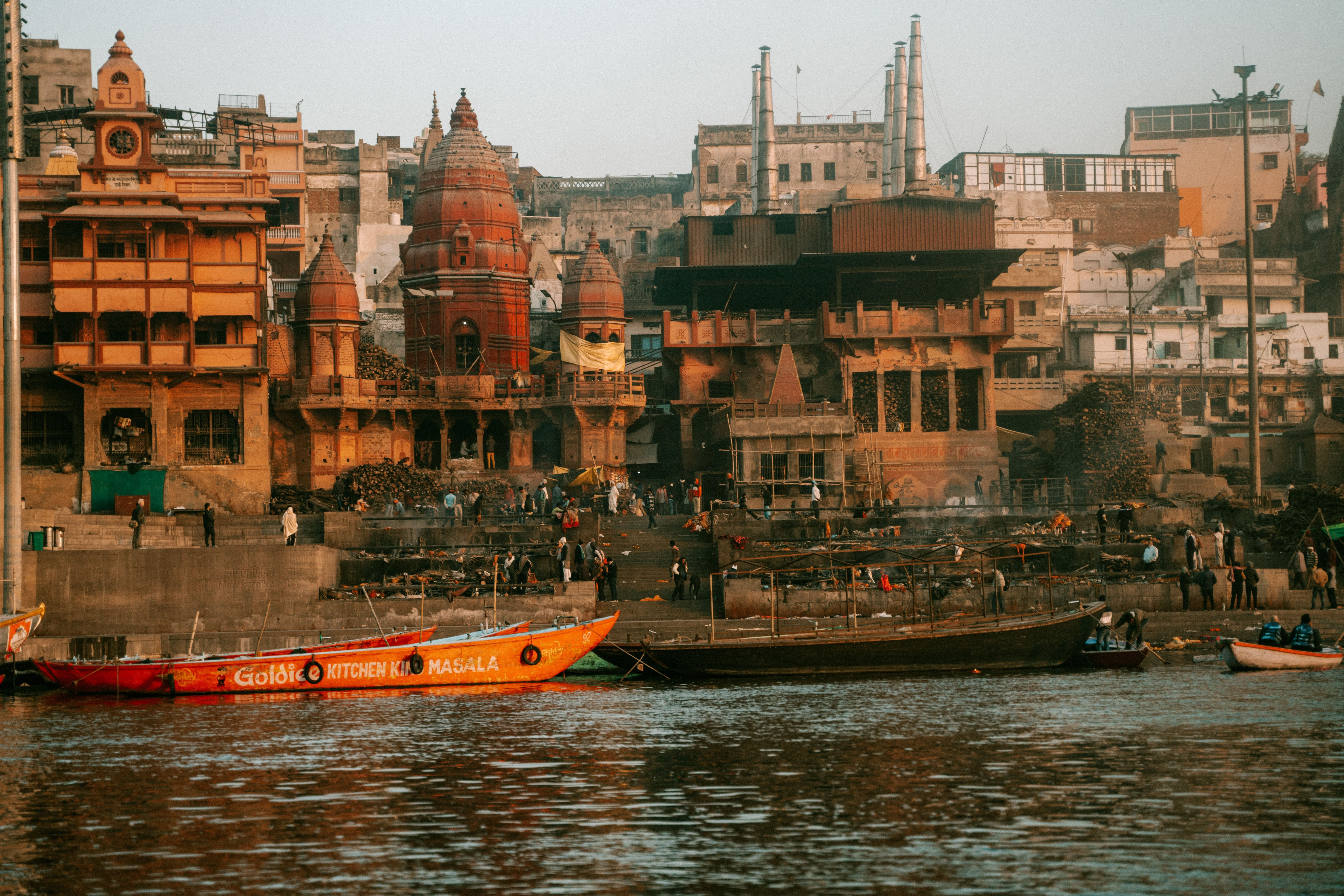
The surrounding lanes are crowded with temples, shrines, shops, and daily life, creating a striking contrast between ordinary activity and solemn ritual. Nearby, priests and visitors perform offerings to the Ganga, whose waters are considered sacred. The ghat has been rebuilt and altered over centuries, but it continues to hold deep religious and cultural significance. A visit is best approached with sensitivity: dress modestly, follow local guidance, avoid disturbing mourners, and remember that the ceremonies are personal acts of faith. Manikarnika Ghat offers a powerful glimpse into Varanasi’s spiritual traditions and its enduring relationship with life, death, and liberation.
Manikarnika Ghat is one of Varanasi’s most visually powerful locations, offering photographers a striking record of the city’s riverside architecture, daily rituals, boats, changing light and deep sense of history. For respectful photography, focus on the broader landscape and public spaces rather than people undergoing private moments; cremation ceremonies are sacred, and photographing mourners, bodies or funeral rites without explicit permission is intrusive and may be prohibited.
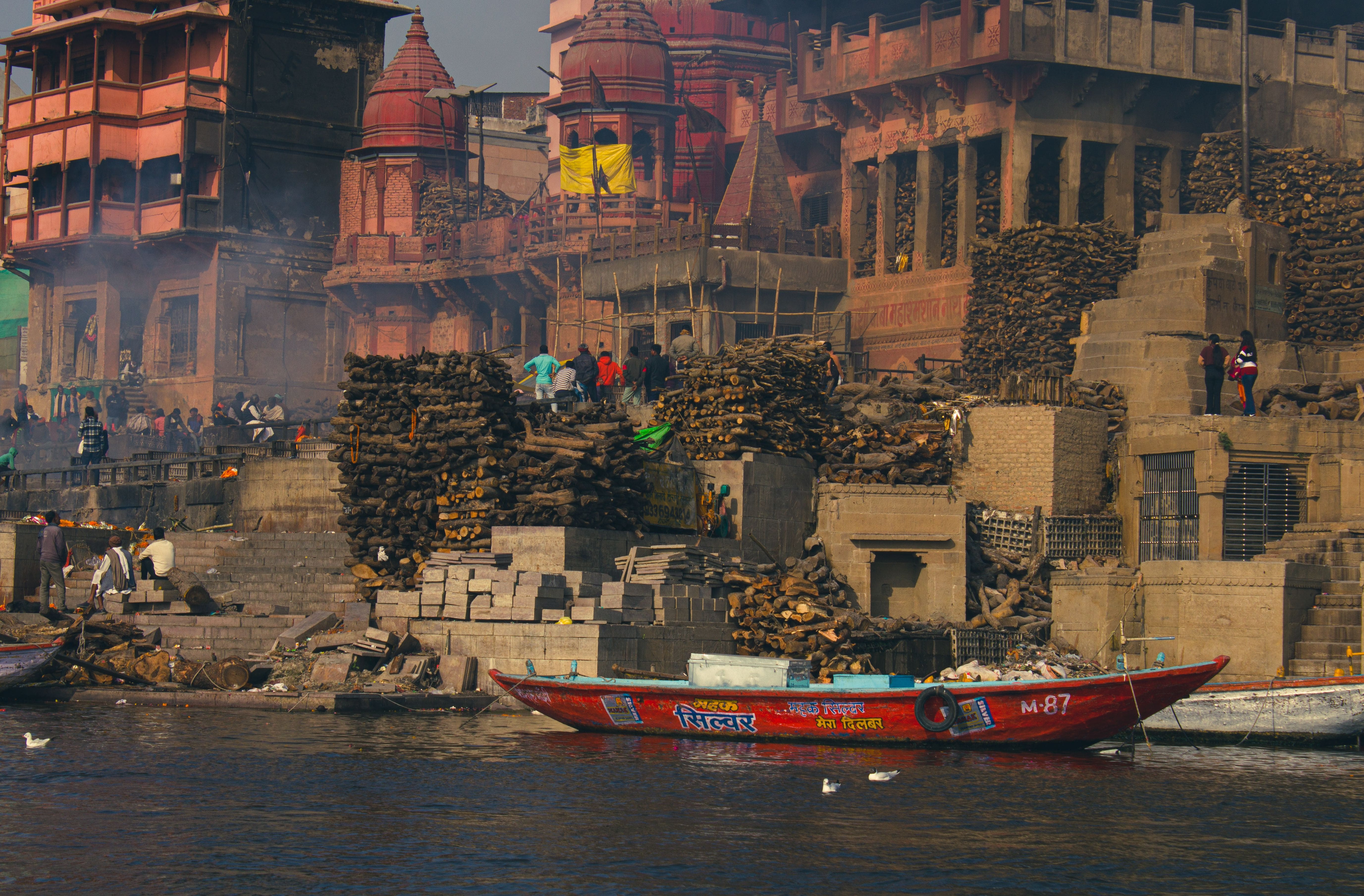
A versatile 24–70 mm zoom is useful for capturing the ghat, temples and river scenes, while a 70–200 mm lens can frame distant architectural details from an appropriate public vantage point without entering sensitive areas. A wide-angle lens, such as a 16–35 mm, can convey the scale of the riverfront, especially at sunrise, but avoid getting so close that you disturb visitors or obstruct pathways. A fast prime lens can help in low light, though a tripod may be impractical in crowded areas and should never block access
Use a polarizing filter carefully to reduce reflections on the water, and protect your camera from dust, smoke and moisture with a cover and microfiber cloth. Early morning often provides softer light, quieter surroundings and atmospheric reflections; late afternoon can add warmth and depth. Keep equipment discreet, follow local guidance and posted rules, and ask before photographing individuals. Manikarnika Ghat is not simply a dramatic backdrop: it is an active sacred site and a place of mourning. The most meaningful photographs come from patience, restraint and sensitivity, allowing the river, buildings and light to tell the story without compromising anyone’s dignity.
Date / Day : 31st October 2026, Saturday
Time : 6.00 AM
Meeting Point : Manikarnika Ghat
Our Workshops are free of cost


Photowalk is open to everyone and one can click from any device.
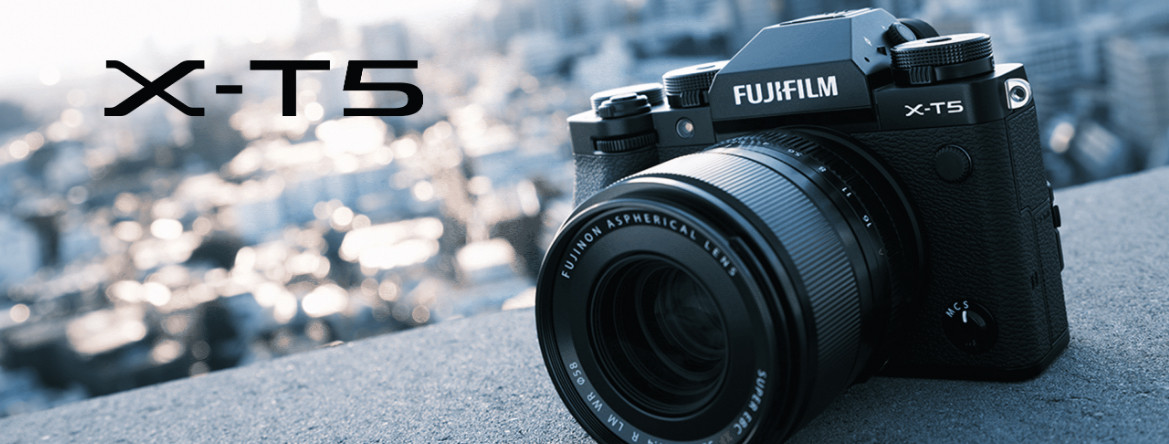
We also provide free Fujifilm Mirrorless Cameras during the photowalk that can be shared with the group, just bring your SD Card and retrieve the photos once the photowalk is over.
Who can attend
Photowalk is open to all above the Age of 18 Years
Participant can click photos from any camera or mobile phones
If you do not have a camera we will provide you with a mirrorless camera that will be shared with other participants during the photowalk. Please carry a SD Card to so you can take your clicked photos back. We would require a photo ID with address proof to be submitted at the time of the photowalk.
Please note that photo walks are done on foot, so expect lots of walking.
FAQ’s
Is there any Fees for attending the Photowalk ?
All our photowalks across India are free of cost . Government entry fees applies incase of heritage sites participant's need to pay the entry fees for visiting these site.
I do not have a Camera can I participate in the Photowalk ?
Yes surely you can. We provide Fujifilm Mirrorless Cameras for our photowalks that will be shared among the participants. It would be great if you could carry a SD Card, so that you can take back your clicked photographs.
I would like to know more. How can we connect ?
For more details please fill the form in your contact us page. https://photowalksindia.com/contact-us